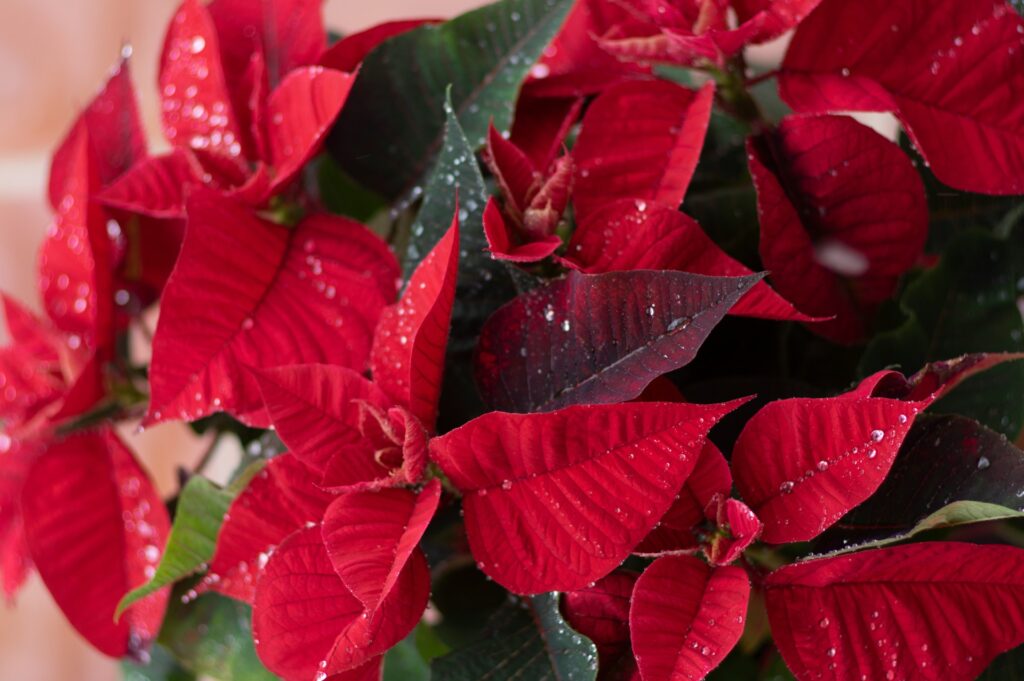

Poinsettias are more than just a symbol of the holiday season. These vibrant plants have a rich history and some surprising traits. Let’s dive into their story and uncover some captivating facts about everyone’s favorite Christmas flower.
1. Poinsettias Originate From Mexico
Poinsettias have deep roots in Mexico. Known as cuetlaxóchitl by the Aztecs in the 14th century, these plants were highly valued for their versatility. The Aztecs used the colorful bracts as dyes and the sap medicinally to reduce fevers. However, be cautious—poinsettia sap can irritate the skin.
2. The Connection to Christmas
When Christianity spread to Mexico, poinsettias quickly became associated with Christmas. According to legend, a young girl named Pepita wanted to give a gift to baby Jesus during a Christmas service. With nothing to offer, she gathered weeds from the roadside. When she placed them on the altar, the weeds miraculously transformed into brilliant red blooms, symbolizing her love and devotion.
3. The Controversy Around the Name
The poinsettia is named after Joel Roberts Poinsett, a U.S. ambassador who introduced the plant to America in 1828 after encountering it in Mexico. However, Poinsett’s history as a slave owner has led some to suggest renaming the plant, favoring the Indigenous name cuetlaxóchitl or the scientific name Euphorbia pulcherrima to honor its origins.
4. The “Flowers” Aren’t Flowers
What most people think of as poinsettia flowers are actually bracts—specialized leaves that turn vibrant shades of red, pink, yellow, or white. The true flowers are small, yellow, and located at the center of these colorful bracts.
5. Darkness Is Key for Blooming
Poinsettias require specific conditions to develop their iconic colors. They need 14 hours of complete darkness daily for several weeks before the bracts change color. During this time, the green leaves transition to their festive hues, creating the illusion of blooming.
6. A Butterfly Magnet
Poinsettias are not just beautiful but also beneficial to pollinators. Butterflies are particularly drawn to the tiny yellow flowers. In warmer climates where frost is absent, planting poinsettias outdoors can attract these delicate creatures to your garden.
7. Sensitive to Cold
Poinsettias thrive in warm, humid conditions and are highly sensitive to cold weather. To keep them healthy, avoid exposing them to temperatures below 50°F. If you’re in a milder climate, bring your poinsettias indoors before chilly weather sets in.
8. Not as Toxic as You Think
Contrary to popular belief, poinsettias are not highly poisonous. While the sap is mildly toxic and can cause stomach discomfort, a child would need to consume an extraordinary amount of leaves—500 to be exact—to experience serious harm. The plant’s bitter taste makes this scenario unlikely.
9. A Rainbow of Colors
Poinsettias aren’t just red. There are over 100 varieties, featuring shades like pink, yellow, cream, and white. Some varieties even have striped or speckled bracts, offering a unique twist on the classic holiday plant.
10. A Winter Best-Seller
Poinsettias are the best-selling potted plant in the U.S., especially during the winter holidays. They generate approximately $200 million in sales annually, making them a holiday favorite for homes and businesses alike.
11. They Can Grow Much Taller
While most people think of poinsettias as small potted plants, they can grow to impressive heights in their natural habitat. In Mexico, poinsettias can reach up to 10 feet tall, creating a stunning display of vibrant color.
Now that you know these fascinating poinsettia facts, you’ll never look at this iconic holiday plant the same way again. Whether adorning your home or brightening up your garden, poinsettias remain a timeless symbol of the festive season.
Photo by Elena Mozhvilo on Unsplash