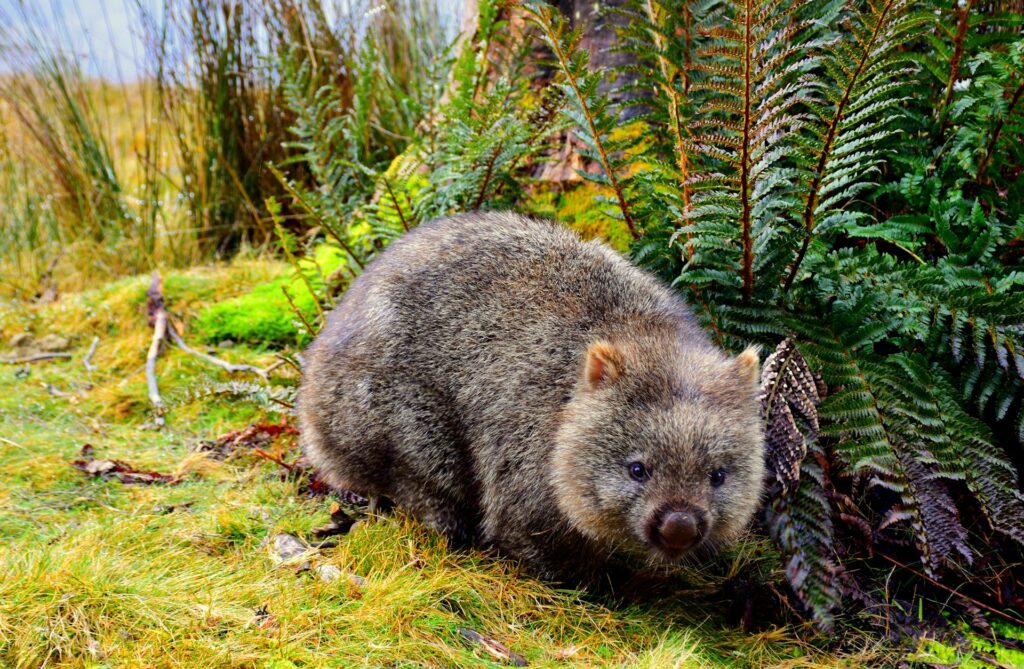

October 22nd marks a special day for one of Australia’s most beloved marsupials—International Wombat Day. This day is all about recognizing the wombat’s unique place in Australia’s wildlife and raising awareness about the challenges they face in the wild. Though often overshadowed by their more famous relatives, like koalas and kangaroos, wombats are fascinating creatures that play an important role in their ecosystem. Yet, they are up against significant threats that endanger their future.
Who Are Wombats?
Wombats are sturdy, burrowing marsupials native to Australia. They share a lineage with other iconic Australian animals like koalas, kangaroos, and Tasmanian devils. Like their kangaroo cousins, baby wombats—known as joeys—spend the first five months of their lives snugly tucked away in their mother’s pouch. After this critical period of development, the joey gradually emerges and learns to navigate the world on its own.
Known for their powerful limbs and ability to dig complex burrow systems, wombats are a true marvel of nature. However, despite their resilience, these creatures face numerous threats, both from human activity and environmental challenges.
The Threats Facing Wombats
While wombats aren’t officially considered endangered, they are certainly at risk. Habitat loss is one of the biggest challenges wombats face today. As human populations expand and land is cleared for agriculture or urban development, wombats lose their natural homes. Additionally, the introduction of non-native species to Australia has intensified competition for food. Rabbits, sheep, cattle, and goats—all introduced by humans—compete with wombats for grasses and other vegetation, often leaving wombats struggling to find enough food.
Another critical threat to wombats comes from road accidents. Many wombats fall victim to traffic collisions, especially at night when they are most active. Unfortunately, these accidents often lead to fatal injuries.
Wombats also suffer from a debilitating skin disease known as mange, caused by mites. This painful condition can result in severe skin infections, hair loss, and even death if left untreated. Mange has had a devastating impact on wombat populations, particularly in certain areas where infections spread rapidly.
Why International Wombat Day Matters
International Wombat Day serves as a reminder of the importance of protecting these wonderful creatures and their habitats. It’s a day to celebrate the wombat’s unique role in the Australian ecosystem while also raising awareness about the threats they face. Wombats may not be endangered yet, but without continued conservation efforts, their future could become uncertain.
There are many ways you can get involved on International Wombat Day. Whether it’s donating to conservation organizations, supporting habitat restoration projects, or simply spreading awareness on social media, every small action helps. Additionally, learning about road safety measures and reporting cases of mange in wombats to local wildlife authorities can have a direct impact on their survival.
How You Can Help
If you’re inspired to take action for wombats, here are a few ways to make a difference:
- Support Conservation Efforts: Donate to organizations working on wombat conservation, such as habitat restoration programs.
- Raise Awareness: Use your social media platforms to educate others about wombat conservation. Share wombat facts, information on the threats they face, and how people can help.
- Drive Safely in Wombat Areas: If you’re traveling in areas where wombats are common, especially at night, be mindful of your speed and keep an eye out for wildlife crossing roads.
- Help Fight Mange: Report any wombats you see suffering from mange to local wildlife authorities. In some areas, treatment programs are in place to help infected wombats recover.
Final Thoughts
Wombats are an integral part of Australia’s wildlife, and International Wombat Day gives us the opportunity to celebrate them while taking steps to secure their future. By learning more about these resilient marsupials and contributing to their conservation, we can ensure that wombats continue to thrive for generations to come. This October 22nd, let’s come together to show our appreciation for wombats and work towards protecting them and their habitats.